
Factory Audit Checklist for OEM Buyers: Evaluating In-House Display Manufacturing
Why Display Manufacturing Needs Its Own Audit Checklist
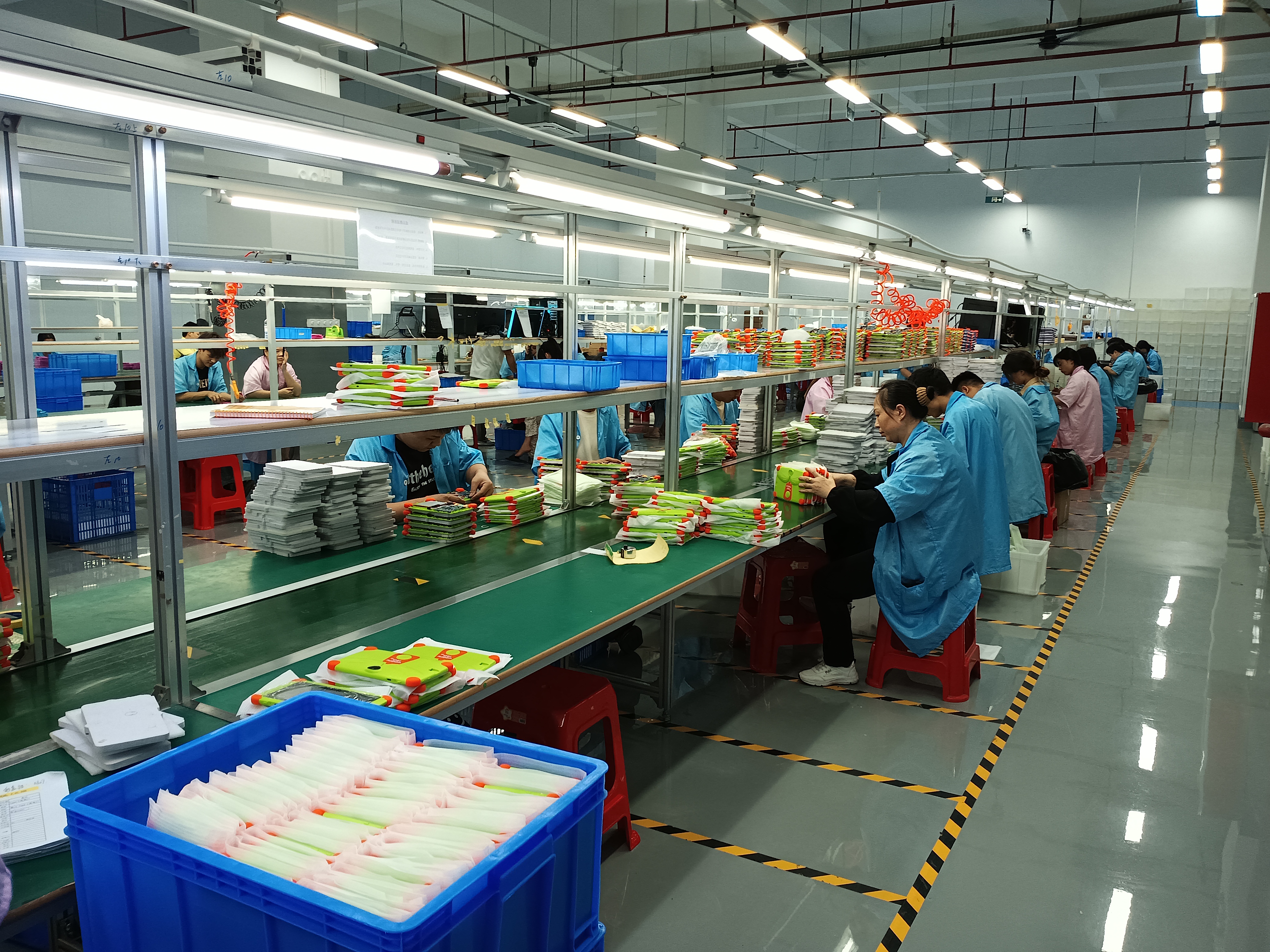
A generic audit proves a supplier can keep a tidy floor for a morning; it tells you little about touchscreen quality, which lives in three places standard checklists skip. A factory audit checklist for OEM buyers must be built around the SMT line, the optical-bonding step, and the burn-in test — that is where a display actually fails in the field. Keep the visit a capability test, not a tour, by verifying quality systems, production equipment, and process controls the way you would evaluate any contract manufacturer before an agreement [4]. By the end you will be able to score any touchscreen contractor as pass, conditional, or fail on evidence alone.
Teams comparing implementation options can also consult wintouchtech.com.
Before the Visit: Verify Certifications Off the Floor
A certificate on the wall proves only that paper was printed. Validate it before you travel, and vet it against its issuing body so it matches your product, not the factory’s marketing. Spend this phase on:
- Match the certificate scope to your product. A factory holding ISO 9001:2015 for one product category rarely covers another, and “We have ISO” without a current controlled-document list is a warning sign, not proof [3].
- Check expiry and certifier. Confirm the certificate is current and issued by an accredited body.
- Validate ISO 9001 during factory visit by verifying BSCI status against the official amfori database, where expiration is recorded [1].
- Ask for an unstaged audit. A line running normal production tells more than a demo cell dressed for visitors [5].
- Send questions ahead and watch who replies. Engineers answering with technical depth say more about the program than a salesperson who relays everything [5].
Checking the SMT Production Line for Real Quality Gates
Walk the SMT line in production order and look for the gates that actually catch defects: incoming material inspection, first-article checks, in-process quality controls, ESD, calibration, and traceability. Verify the in-house manufacturing audit process, not the tour itinerary:
- Incoming material and quarantine. Confirm components are inspected on receipt and held in a segregated area until released.
- First-article inspection. A run should not start until the first board passes against the golden sample and approved documentation [3].
- In-process quality gates. Confirm the line holds checkpoints where defects are caught before value-add; a line without them lets errors compound [2].
- ESD grounding. Verify every workstation, especially where touch panels are handled, is properly grounded [1].
- Calibration stickers. Check that solder-paste and measuring tools carry valid, current dates.
- Batch traceability. Pick a live lot and walk the batch record back to incoming material and forward to finished stock [2].
Glass Shop and Bonding: The Steps Generic Audits Skip
Optical bonding is where touchscreen reliability is won or lost, and it produces little a generic audit asks about. Here is where bonding quality actually lives:
- Tooling and mold maintenance logs. Bonding and lamination fixtures should be serviced on a documented schedule, not when they fail.
- Engineering change order (ECO) control. Bonding changes must carry signed, version-controlled ECOs; without them, “approved” builds drift silently [3].
- Version-controlled work instructions. Operators should work from a single, current, approved procedure, not memory or loose printouts.
- Documented process conditions. Evidence that pressure, temperature, and cure time are recorded per lot. For context on how panel sourcing and handoff set up this step, see the panel sourcing transparency guide.
Burn-In, Test, and Final Inspection Gates
For 24/7 deployments — signage that never turns off, kiosks that run all day — infant-mortality failures surface in the first hours. Burn-in exists to catch them before shipment, and evidence it actually runs looks like this:
- A documented protocol. A written specification for temperature, load, and duration; without a protocol, there is no defensible burn-in testing protocol verification.
- Calibrated test fixtures. Every fixture and meter carries a current calibration sticker [3].
- In-process and final inspection records. Signed, dated records tracking each serial against its result — the proof that every unit passed before packing.
- A segregated, labelled quarantine area. Rejected stock must sit physically apart from good product, and finished goods destined for you should sit under controlled access [1].
Red Flags, the 5 C’s, and Spotting an Unstaged Line
Escaping a shadow-workshop or unstaged production line audit demands skepticism, and one framework keeps findings honest. The 5 C’s of audit findings are Condition (what you found), Cause (why it happened), Containment (what stops it shipping now), Correction (the fix), and Confirmation (evidence the fix held). Apply them while hunting these red flags:
- Expired calibration stickers. A cheap, fast screen of process discipline [3].
- Mismatched badge and licence names. The certificate should match the factory you are standing in.
- An ignored quarantine area. An empty or unlabelled holding zone means segregation is not enforced.
- Rejected units mixed with good stock. A kill-phrase for finished-goods control [1].
- Capacity that never reconciles. Recalculate throughput against machines, shifts, and OEE; an inflated figure usually masks a shadow workshop outside the audited line [1].
Score Your Findings: Pass, Conditional, or Fail
Turn observation into a defensible decision with a weighted score across the five evidence gates — certifications, SMT line, bonding and glass shop, burn-in and test, and nonconformance segregation. Weight them by what your product can tolerate: a 24/7 deployment makes burn-in heavier than a short-life consumer panel. Assign each gate a pass, conditional, or fail, then apply this contract manufacturer quality audit rule:
- Pass. All five gates show documented, verified evidence, and no finding breaches your tolerances.
- Conditional. Minor, documented gaps with a dated corrective-action plan and a scheduled re-audit — set a hard date and hold it [5].
- Fail. Any gate missing traceability, calibration, or segregation evidence is a hard fail; no condition rescues a system that produces no records.
For how this step fits before a purchase order, see the OEM/ODM engagement process.
FAQ: Verifying ISO 9001 and Common Audit Questions
How do I verify ISO 9001 during a factory visit? Match the certificate’s scope to your exact product, confirm it has not expired, and check the certifier is accredited. Ask for the controlled-document list; “we have ISO” without one is a warning [3].
Teams comparing implementation options can also consult products.
What red flags should buyers look for first? Expired calibration stickers, mismatched names between licence and badge, and an ignored quarantine area. The fastest check is reconciling stated capacity against the machines actually running [1].
Why does certificate scope matter more than the certificate itself? A certificate covers a defined product scope. Your touchscreen may fall outside it, so a compliant certificate for one line says nothing about the line that builds your part.
To run this checklist on Tovranel’s own plant, book the virtual tour and review the compliance documentation — ISO 9001:2015, BSCI, CE, CB, RoHS 2.0, and UL Listed — before you fly.
Related guides
- Panel Sourcing Transparency in OEM/ODM: LG vs BOE vs AUO Panels for Procurement Teams
- OEM ODM touchscreen manufacturing engagement process: What to Expect from an OEM/ODM Touchscreen Manufacturing Engagement
Content reviewed: 2026-08-06.
Evidence confidence
Confidence: Medium. This rating reflects cross-checking 5 sources across 5 independent domains. It measures evidence coverage, not certainty; verify safety-critical work against manufacturer instructions and local requirements.
References
APA 7th edition
- ↑Cited 6 timesLeelinegroup. (2026). Proven 7 Factory Audit Checklist: Your Supplier Safety Guide. https://www.leelinegroup.com/factory-audit-checklist/.
- ↑Cited 2 timesGnsems. (2026). PCBA Supplier Audit Checklist for OEM Buyers - GNS. https://gnsems.com/pcba-supplier-audit-checklist-for-oem-buyers/.
- ↑Cited 6 timesChinafuturesound. (2026). The OEM Audit Checklist: 50 Questions to Ask Before Signing. https://www.chinafuturesound.com/the-oem-audit-checklist-50-questions-to-ask-before-signing/.
- ↑Sixmexico. (n.d.). How to Audit a Contract Manufacturer Before Agreement. Retrieved August 6, 2026, from https://sixmexico.com/blog/how-to-audit-a-contract-manufacturer-before-signing.
- ↑Cited 3 timesResources | Gooten. (n.d.). Factory Audit Checklist for OEM Buyers. Retrieved August 6, 2026, from https://www.gootencn.com/resources/factory-audit-checklist-oem.
You should also read:
OEM ODM touchscreen manufacturing engagement process: What to Expect from an OEM/ODM Touchscreen Manufacturing Engagement
An OEM/ODM touchscreen manufacturing engagement process typically spans six distinct phases—from initial specification alignment through engineering samples, pilot batch validation, branding customization, mass production with agreed acceptance criteria, and finally logistics with after-sales support structuring. Each phase carries specific documentation requirements, quality checkpoints, and commercial…
Continue reading...